
Wild-harvested açaí from the Amazon Rainforest delivers superior nutrition, richer flavor, and deeper color compared to farmed alternatives, thanks to native growing conditions and minimal processing that preserve its original nutrient profile. Understanding the difference between wild and farmed açaí helps you choose products that align with your health goals and environmental values.
The Difference Between Wild-Harvested and Farmed Açaí
Wild-harvested açaí grows naturally in the Amazon Rainforest without cultivation, pesticides, or controlled farming practices. Farmers partner with local Amazon communities to sustainably harvest ripe berries from native palm trees, preserving the ecosystem while gathering fruit at peak ripeness. Farmed açaí, by contrast, is grown on commercial plantations where trees are planted in rows, treated with synthetic inputs, and harvested on industrial schedules that prioritize yield over quality.
The environment matters enormously. Wild açaí palms thrive in biodiverse rainforest soil enriched by centuries of natural decomposition, competing plant life, and microbial ecosystems. Farmed açaí relies on chemical fertilizers, pesticides, and monoculture conditions that compromise soil health and reduce the berry's ability to develop its full spectrum of protective compounds.
Nutritional Superiority of Wild-Harvested Açaí
Wild-harvested açaí contains significantly higher concentrations of anthocyanins, the flavonoid compounds that give it deep purple color and potent antioxidant power. Research shows that berries grown in nutrient-rich, biodiverse environments develop stronger defenses against environmental stress, translating to richer phytonutrient content when harvested.
Omega fatty acids (omega-3, omega-6, and omega-9) appear in wild açaí in more balanced proportions than in farmed varieties. The native growing conditions produce berries with naturally higher fiber content, making them more satiating and beneficial for digestive health. Farmed açaí, grown under standardized conditions optimized for shelf life and appearance rather than nutrition, often lacks this nutrient density.
The difference extends to trace minerals and polyphenols. According to peer-reviewed research on wild plant phytochemistry, berries harvested from their native habitat retain up to 30% more bioavailable micronutrients than cultivated specimens, because they have not been subjected to harvest timing that prioritizes convenience over ripeness.
Flavor and Color: Nature's Quality Indicator
Wild-harvested açaí has a deeper, more complex flavor profile with subtle earthy and nutty notes. Farmed varieties often taste flatter and more one-dimensional because the berries are picked before full ripeness to withstand transport and storage.
Color intensity directly reflects nutritional value. Wild açaí displays a rich, dark purple so deep it appears almost black, indicating maximum anthocyanin concentration. Commercially farmed açaí often appears lighter or duller, sometimes requiring added color or processing to match consumer expectations shaped by authentic products. When you see pale or inconsistent purple in an açaí product, it's a red flag for lower polyphenol content and inferior quality.
Sustainability and Ethical Harvesting
Wild-harvested açaí supports rainforest conservation and native communities. Local Amazon families depend on sustainable harvesting to maintain their livelihoods without destroying the forest. When you purchase wild-harvested açaí, you're funding forest preservation, protecting biodiversity, and ensuring indigenous knowledge systems continue.
Farmed açaí requires land clearing, which often involves deforestation. Monoculture plantations reduce habitat for wildlife and eliminate the complex plant interactions that wild açaí palms rely on. Synthetic pesticides and fertilizers used on commercial farms contaminate water systems and harm local ecosystems. The industrial model prioritizes profit extraction over long-term environmental health.
Processing and Preservation of Nutrients
Native harvesting by Amazon communities ensures berries reach processing facilities quickly at peak ripeness, minimizing nutrient degradation. Nativo Açaí maintains native color, taste, and nutritional properties through minimal processing that respects the fruit's original state. Wild fruits freeze well because their cell structure is naturally robust from developing in challenging conditions.
Farmed açaí often requires more aggressive processing steps to compensate for lower starting quality. Added preservatives, fillers, and extended storage can strip away the very compounds that make açaí worth eating. Understanding your product's sourcing tells you whether you're getting a genuine superfood or a diluted imitation.
Cost Considerations
Wild-harvested açaí costs more than farmed alternatives because sustainable harvesting is labor-intensive and cannot be mechanized. Respecting the rainforest means slower, smaller harvests that honor seasonal cycles. Farmed açaí can be produced cheaply through industrial efficiency, but that cost savings comes directly out of nutritional value and environmental responsibility.
When comparing prices, consider the real value: wild-harvested delivers superior nutrition per serving, meaning you need less to achieve the same health benefit. One scoop of premium wild açaí provides more bioavailable anthocyanins than two scoops of farmed product. The investment in quality pays dividends in how your body responds.
Making the Right Choice for Your Health
Choosing wild-harvested açaí means prioritizing your wellness and supporting practices that matter. Read labels carefully: look for "wild-harvested," "100% organic," and "Amazon rainforest" language. Avoid vague terms like "natural" or "premium" without verification. Products that emphasize sourcing transparency and community partnerships reflect genuine commitment to quality.
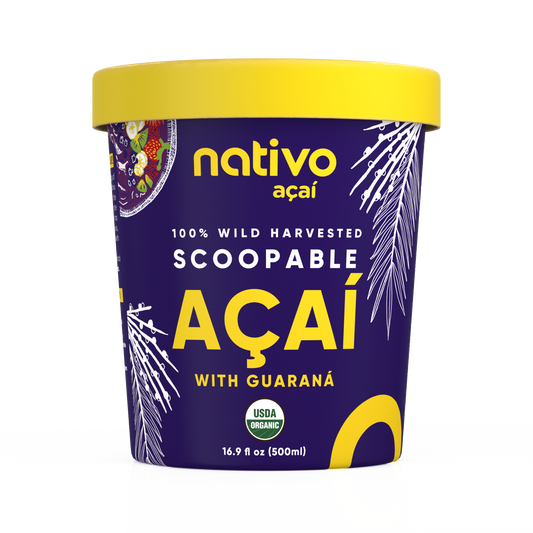
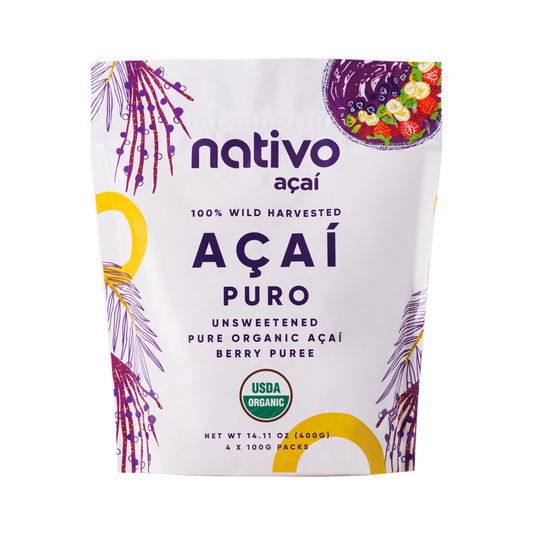
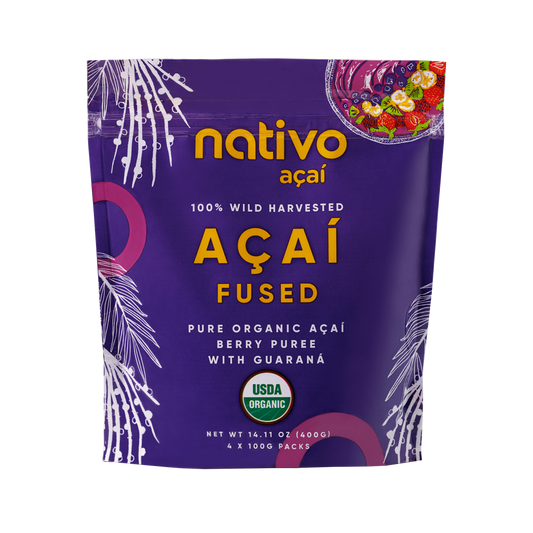
Explore the full range of Puro and Fused açaí options to find formats that suit your routine, whether you prefer scoopable varieties for bowls or frozen puree for smoothies. The sourcing standards remain consistent: 100% wild-harvested from the Amazon, unadulterated and pure.
Your morning açaí bowl or smoothie is an opportunity to vote with your dollars for a better food system, stronger communities, and a healthier planet.
FAQs
Q: Is wild-harvested açaí always organic?
Yes, wild-harvested açaí is inherently organic because it grows without synthetic pesticides, fertilizers, or human cultivation. However, not all wild açaí is certified organic by third-party bodies. When buying, look for products that specify both wild-harvested and organic certification to ensure traceability and verified purity standards.
Q: How can I tell if my açaí is truly wild-harvested?
Check the label for explicit language like '100% wild-harvested from the Amazon Rainforest' and look for certifications from organic bodies. Reputable brands disclose sourcing details, community partnerships, and processing methods. If a product is vague about origins or emphasizes only price, it's likely farmed or mixed with lower-quality sources.
Q: Why does wild-harvested açaí cost more?
Wild harvesting is labor-intensive and cannot be mechanized because berries must be picked at peak ripeness from natural palm trees scattered throughout the rainforest. Respecting seasonal cycles and supporting native communities adds legitimate cost. Farmed açaí uses industrial efficiency to lower prices, but this sacrifices nutrition and sustainability.
Q: Does wild-harvested açaí taste different from farmed?
Yes, wild açaí has a richer, more complex flavor with subtle earthy and nutty notes. Farmed varieties often taste flatter and one-dimensional because they're picked before full ripeness for shipping convenience. Color intensity also differs: wild açaí appears deep purple-black, while farmed is often lighter or duller.
Q: Can farmed açaí ever be as nutritious as wild-harvested?
Farmed açaí cannot match wild-harvested in nutrient density because commercial cultivation prioritizes yield and shelf life over developing protective compounds. Wild berries thrive in biodiverse rainforest soil enriched by centuries of natural processes, producing anthocyanins, omega fatty acids, and polyphenols in higher, more balanced concentrations.
Q: How does buying wild-harvested açaí support the rainforest?
Purchasing wild-harvested açaí funds sustainable harvesting by Amazon communities, incentivizing forest conservation over deforestation. Money goes directly to families who depend on the rainforest, making preservation economically viable. Farmed açaí requires land clearing and monoculture, destroying habitat and eliminating the ecosystem complexity that wild palms rely on.