
Introduction
Acai, as a fruit, has traveled through human food systems as a concentrated fruit ingredient, typically in the form of frozen pulps, powders, and mixtures. The mention of acai in pet-related content seems to follow the same trajectory. The debate about the feasibility of feeding acai to dogs seems to emerge as part of a larger movement in the ways in which pet owners are extending parts of their diets to pets.
In this regard, acai does not work the same way as more widely recognized fruit forms. Its chemical makeup, in particular the naturally occurring compounds common in cacao-like plant life, informs the consideration of acai in canine diets.
How Much Acai Can Dogs Eat Without Harm
The amount of acai considered tolerable tends to remain limited. Observations across veterinary and nutritional discussions suggest that intake, when it occurs, stays minimal. Fruit is not positioned as a standard dietary component for dogs.
Small quantities appear in situations where acai is already present within a blended food item, such as a smoothie base or frozen puree. In those cases, proportion remains diluted. Direct feeding of whole or concentrated acai is less commonly observed.
The idea of “without harm” does not operate as a fixed measure. It depends on weight, sensitivity and existing diet structure. As a result, the quantity remains undefined in precise terms and instead follows a pattern of restriction.
Feeding Acai to Dogs in Moderation Guidelines
Moderation, in this context, reflects limitation rather than balance. Acai does not enter a dog’s diet as a recurring fruit in the way that apples or bananas might. Instead, it appears occasionally and in reduced form.
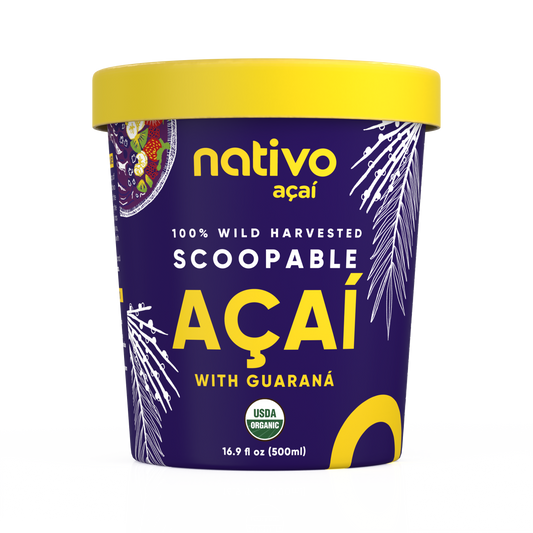
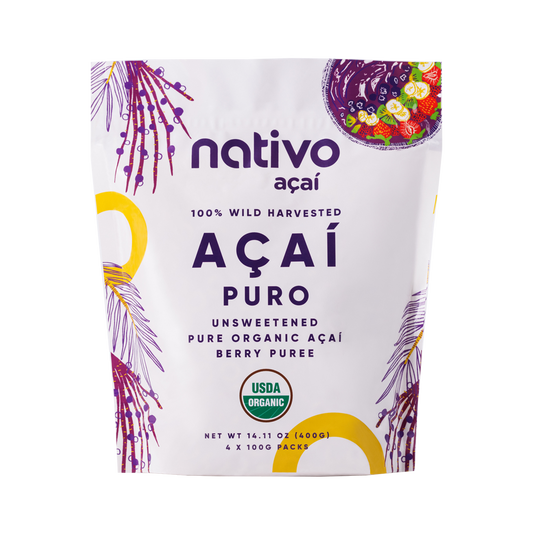
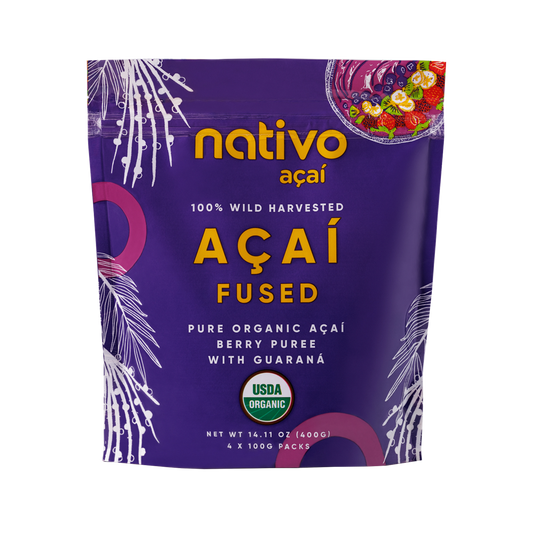
Prepared acai products, including those supplied by brands such as Nativo Acai, often exist as frozen pulp or puree. When these formats are considered in relation to dogs, dilution tends to shape their use. The fruit becomes one component among others, rather than a standalone ingredient.
This pattern reflects a broader tendency. Foods that contain compounds associated with stimulant effects remain peripheral in canine feeding structures. Their role is observational rather than functional.
Forms of Acai Used in Pet Feeding Contexts
There are various forms of Acai, and its use in discussions about feeding dogs tends to be related to these forms rather than the actual fruit. The structure of these forms is related to their use, especially with regard to mixing.
Frozen Pulp Formats
- Often sourced as pure acai with no additives
- Appears in small portions within mixed fruit blends
- Maintains original composition despite processing
Blended Preparations
- Combined with other fruits or liquids
- Reflects dilution rather than direct feeding
- Common in shared human-food environments
Safe Amount of Acai Berries for Dogs Per Weight
Weight-based calculations for acai intake do not follow a standardized scale. Unlike medications or formulated pet foods, acai does not have an established dosage framework for dogs.
Instead, the relationship between body weight and intake appears indirect. Larger dogs may tolerate slightly higher exposure, yet the margin remains narrow. Smaller dogs tend to display sensitivity faster, although this varies.
Across available material, the absence of precise measurement reflects uncertainty rather than flexibility. The fruit does not move into routine feeding categories where such calculations become necessary.
Symptoms of Acai Poisoning in Dogs
When dogs consume acai in amounts beyond incidental exposure, certain patterns appear. These include digestive disturbance and behavioral changes that align with mild stimulant response.
Observed symptoms may include:
- Restlessness
- Increased heart rate
- Vomiting
- Mild tremors
These effects do not appear in every case. Their presence depends on quantity and individual sensitivity. In most discussions, symptoms are described as conditional rather than inevitable.
Signs of Theobromine Toxicity from Acai in Dogs
Acai contains theobromine, a compound also found in chocolate. In dogs, theobromine metabolism differs from humans. This difference shapes how acai is viewed within canine nutrition.
Signs associated with theobromine exposure tend to include:
- Elevated activity levels
- Rapid breathing
- Muscle tension
- Irregular heart rhythm
Theobromine concentration in acai remains lower than in many forms of chocolate. However, its presence affects how fruit is classified. It does not move into the group of commonly shared fruits.
Precautions Before Giving Acai to Your Dog
Before acai enters a dog’s diet, several conditions tend to be considered. These conditions relate less to preparation and more to context.
Common observations include:
- Whether the acai is pure or combined with added sugars
- Whether it appears in a diluted form such as a blended mix
- The existing diet of the dog
- Any known sensitivities or prior reactions
Commercial acai products, including frozen packs or puree formats from Nativo Acai, often contain no added sweeteners. Even in these cases, the fruit itself retains its original composition. This maintains the need for restraint.
What Berries Can Dogs Eat Instead of Acai
Unlike acai, several berries appear more frequently in canine diets. These include:
- Blueberries
- Strawberries
- Raspberries
These fruits do not contain the same stimulant compounds. Their use appears more stable and less conditional. They are often included in pet foods or given as occasional treats.
The comparison reflects a broader pattern. Fruits that align more closely with canine digestion tend to remain in circulation, while others remain limited to occasional exposure.
Recipe 1: Acai and Blueberry Frozen Blend
This type of preparation appears in contexts where acai is already part of a human food routine. The formulation typically reduces the concentration of acai while introducing more familiar fruits.
Composition pattern:
- Small portion of Nativo Acai frozen pulp
- Larger portion of blueberries
- Water or plain yogurt
The mixture is blended and frozen into small portions. In this structure, acai does not dominate. It remains one component within a broader fruit base.
Recipe 2: Diluted Acai Fruit Mix
Another observed format involves combining acai with neutral fruits.
Composition pattern:
- Minimal acai puree
- Banana or apple slices
- Water for dilution
The mixture forms a soft blend. Again, acai remains reduced in proportion. The structure reflects the same pattern of dilution and limited exposure.
Blueberries vs Acai for Dogs: Which Is Safer
When compared directly, blueberries appear more stable within canine diets. They lack theobromine and do not produce the same stimulant-related responses.
Acai, by contrast, remains conditional. Its use depends on quantity and preparation. It does not transition into regular feeding in the same way.
This difference shapes how each fruit behaves in practice. One becomes routine. The other remains occasional.
Digestive Issues in Dogs After Eating Acai
Digestive response varies across dogs. Some show no reaction to small amounts, while others exhibit mild discomfort.
Observed issues include:
- Loose stools
- Temporary stomach upset
- Reduced appetite
These effects tend to resolve without extended impact. Their occurrence mostly reflects sensitivity, not toxicity.
Should Dogs Avoid Acai Completely
Across discussions, acai does not settle into a clear category of approval or avoidance. It remains in a middle position.
It is not widely recommended as a regular food. At the same time, incidental or diluted exposure does not always produce adverse effects. This ambiguity keeps the fruit outside standard feeding routines.
FAQs
How Often Can Dogs Eat Acai Berries
The frequency is unpredictable. Acai is not a regular component of a dog’s diet. When it is included, it is not regular and is consumed in small amounts.
How to Tell If Acai Is Making Your Dog Sick
The reaction is immediate. The reaction is felt almost immediately. This may manifest as restlessness, changes in behavior, and gastrointestinal complications.
How to Safely Feed Acai to Dogs Step by Step
In observed practice, safety aligns with reduction and dilution. Acai appears in small portions, often blended with other fruits. The process does not involve structured steps but follows a pattern of limited inclusion.
How to Introduce Acai to Dogs Safely
Introduction, where it occurs, tends to begin with minimal exposure. The fruit is not presented in concentrated form. Instead, it appears within mixed preparations, allowing observation of response.
Is Acai Worse Than Chocolate for Dogs
Acai contains theobromine, though at lower levels than chocolate. The difference is concentration, not composition. Both share a similar compound, but their impact varies by amount.
Is Acai Hard for Dogs to Digest
Digestibility varies. Some dogs process small amounts without issue. Others show mild digestive responses. The variation reflects individual tolerance rather than a consistent outcome.
Conclusion
Acai occupies a limited position within canine dietary discussions. It appears at the edge of routine feeding, shaped by its composition and the presence of theobromine. In practice, it moves through diluted forms and occasional exposure, often alongside other fruits.
Products such as frozen acai pulp from Nativo Acai follow similar patterns when considered in this context. Their structure remains unchanged, while their use shifts depending on the subject. Within dog feeding environments, acai does not establish itself as a primary fruit. It remains present, though restrained.